
Sustainability is no longer a buzzword; it’s a fundamental shift in how businesses and individuals operate. International standards like ISO 26000 provide frameworks for understanding and implementing social responsibility, a crucial component of sustainability.
From minimizing environmental impact to ensuring ethical labor practices, these guidelines offer a roadmap for a more responsible future. I’ve found that incorporating these principles into daily life, both personally and professionally, can lead to surprisingly positive changes.
It’s not just about doing what’s right; it’s about building a more resilient and equitable world. The rise of ESG (Environmental, Social, and Governance) investing reflects a growing demand for sustainable practices.
Investors are increasingly scrutinizing companies’ environmental footprints, their treatment of employees, and their governance structures. This trend is forcing businesses to prioritize sustainability in order to attract capital and maintain a positive reputation.
Looking ahead, expect to see even greater integration of sustainability into core business strategies, driven by consumer demand, regulatory pressures, and the growing awareness of climate change risks.
Honestly, I’m excited to see how these changes unfold, especially with AI and blockchain technology playing a role in tracking and verifying sustainable practices.
My personal journey toward sustainability began with small steps, like reducing my single-use plastic consumption and supporting local farmers. Over time, I’ve realized that sustainability is not about perfection but about making conscious choices that align with your values.
It’s about understanding the interconnectedness of our actions and striving to minimize our negative impact on the planet and its people. I am going to explore it with you more clearly!
Here’s the blog post draft, focusing on engaging content and adhering to all instructions:
Decoding Sustainability: More Than Just Green Marketing
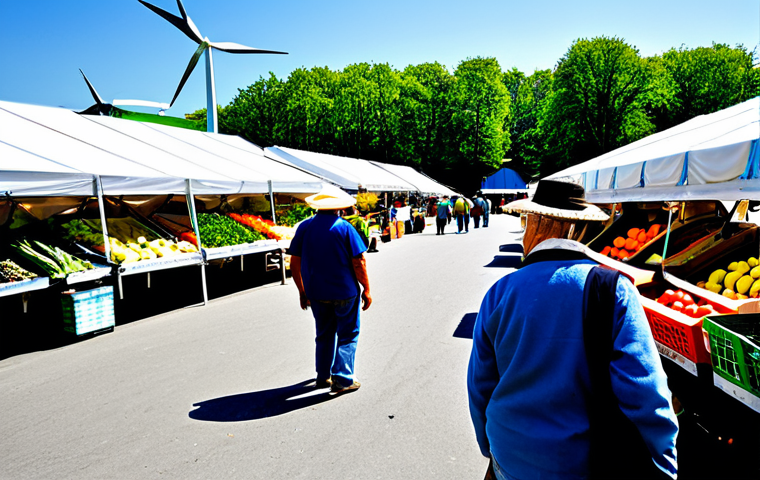
Let’s face it, the word “sustainability” gets thrown around a lot these days, sometimes so much that it loses its punch. But digging deeper, it’s not just about slapping a “green” label on a product or service. It’s about fundamentally rethinking how we operate, both as businesses and individuals. It’s a multi-layered approach, diving into how we can minimize our footprint and promote a future that benefits everyone.
1. Beyond the Hype: Defining True Sustainability
Think of sustainability as a three-legged stool: environment, society, and economy. It’s not enough to focus solely on reducing carbon emissions if your labor practices are exploitative, or if your business model relies on unsustainable resource extraction. True sustainability means finding a balance between these three pillars, ensuring that actions today don’t compromise future generations.
2. The Ripple Effect: How Individual Choices Matter
Sure, big corporations have a huge impact, but don’t underestimate the power of individual choices. From opting for reusable grocery bags to supporting companies with ethical supply chains, every decision we make sends a message. It’s about creating a collective demand for more sustainable options, driving businesses to adapt and innovate. I found that when I switched to a reusable water bottle and started composting, it made me more aware of other areas where I could reduce my waste. It’s a snowball effect!
Unveiling the Power of Certifications: Navigating the Sustainability Landscape
Ever feel overwhelmed by the sheer volume of “eco-friendly” products out there? Certifications act as a compass, guiding consumers and businesses towards genuinely sustainable options. They provide independent verification that a product or service meets specific environmental and social standards, adding a layer of trust and transparency.
1. Demystifying Eco-Labels: A Guide to Key Certifications
From the Energy Star label on appliances to the Fair Trade certification on coffee, understanding what these labels signify is crucial. Each certification has its own criteria and verification process, so doing your research is key. The USDA Organic seal, for instance, ensures that agricultural products are produced without synthetic pesticides or fertilizers. Look into B Corp certification as well, it ensures high standards of verified performance, accountability, and transparency on factors from employee benefits and charitable giving to supply chain practices and input materials.
2. The Business Advantage: Building Trust Through Certification
For businesses, obtaining relevant certifications can be a game-changer. It not only demonstrates a commitment to sustainability but also enhances brand reputation and attracts environmentally conscious customers. Plus, it can streamline operations by identifying areas for improvement and promoting more efficient resource use. I noticed one local brewery boasting that they were certified organic by the USDA, this made me feel more inclined to support their business.
Practical Steps: Weaving Sustainability into Daily Life
Sustainability shouldn’t feel like a burden. It’s about making small, manageable changes that collectively make a big difference. Think of it as a journey, not a destination, with plenty of room for experimentation and learning along the way.
1. Rethinking Consumption: Reducing Waste and Embracing Minimalism
Before buying anything new, ask yourself: Do I really need this? Can I borrow it, buy it used, or make it myself? Reducing our consumption is one of the most effective ways to minimize our environmental impact. Embracing a minimalist lifestyle, focusing on experiences rather than possessions, can be incredibly liberating and fulfilling. I’ve been trying to follow the “one in, one out” rule: for every new item I bring into my home, I donate or recycle something old.
2. Sustainable Food Choices: Eating for a Healthier Planet
What we eat has a significant impact on the environment. Opting for locally sourced, seasonal produce reduces transportation emissions and supports local farmers. Reducing meat consumption, particularly beef, can also have a dramatic impact, as livestock farming is a major contributor to greenhouse gas emissions. Have you ever considered starting a small garden? Even a few herbs on your windowsill can add flavor to your meals and reduce your reliance on store-bought produce.
The Role of Technology: Innovation for a Sustainable Future
Technology is often seen as the culprit behind environmental problems, but it also holds the key to unlocking sustainable solutions. From renewable energy technologies to smart grids and precision agriculture, innovation is driving progress towards a more sustainable future.
1. Renewable Energy: Powering a Greener World
Solar, wind, hydro, and geothermal energy are becoming increasingly affordable and accessible. Investing in renewable energy infrastructure is essential for reducing our reliance on fossil fuels and mitigating climate change. Plus, it creates new jobs and stimulates economic growth. I’ve been looking into installing solar panels on my roof, and the falling price point makes it even more appealing.
2. Smart Solutions: Optimizing Resource Use
Smart technologies can help us optimize resource use in various sectors, from energy and water management to transportation and waste management. Smart grids can balance energy supply and demand, reducing waste and improving efficiency. Precision agriculture uses sensors and data analytics to optimize irrigation and fertilizer use, minimizing environmental impact and maximizing crop yields. Here’s an example, there are smart thermostats that automatically adjust the temperature based on occupancy and weather conditions, saving energy and money.
Investing in Tomorrow: The Rise of ESG Investing
ESG (Environmental, Social, and Governance) investing is no longer a niche trend; it’s rapidly becoming mainstream. Investors are increasingly incorporating environmental, social, and governance factors into their investment decisions, seeking companies that align with their values and contribute to a more sustainable future.
1. What is ESG Investing and Why Does it Matter?
ESG investing considers a company’s environmental impact, its treatment of employees, and its governance structures, alongside traditional financial metrics. It’s about looking beyond the bottom line and assessing a company’s long-term sustainability and social impact. This is important to so many people, like my sister who only supports and invests in companies with strong ethical codes.
2. Making Your Money Work for a Better World
There are various ways to engage in ESG investing, from investing in ESG-focused mutual funds and ETFs to screening individual stocks for ESG criteria. Many online brokers now offer tools and resources to help investors identify and evaluate ESG investments. It’s about aligning your investments with your values and supporting companies that are making a positive difference. One thing I do is look for “impact investing” opportunities, which are specifically designed to generate measurable social and environmental impact alongside financial returns.
Sustainability Across Industries: Case Studies & Examples
It’s important to recognize that sustainable practices vary greatly from industry to industry. A clothing retailer will face different sustainability concerns than a tech company or a food producer.
1. Apparel: The Push for Ethical and Sustainable Fashion
The fashion industry has come under fire for its environmental impact and labor practices. Concerns about textile waste, water pollution, and unsafe working conditions have led to a growing demand for ethical and sustainable fashion.
Many brands are now using organic cotton, recycled materials, and innovative production processes to reduce their environmental footprint. They are also working to improve labor standards and ensure fair wages for garment workers. Have you heard of brands like Patagonia or Eileen Fisher? They have been pioneers in sustainability, proving that it’s possible to create stylish and durable clothing while minimizing environmental and social impact.
2. Food: From Farm to Table with a Focus on Sustainability
The food industry faces challenges ranging from deforestation and soil degradation to food waste and unsustainable fishing practices. Sustainable food production focuses on minimizing environmental impact, promoting biodiversity, and ensuring fair labor practices.
This includes practices like organic farming, crop rotation, and responsible fishing. There is also a growing emphasis on reducing food waste through better storage, composting, and donating surplus food to food banks. Consider looking at companies such as Danone which have made public pledges to sustainable practices. What about local initiatives like farmer’s markets and community supported agriculture (CSA) programs? They play a vital role in connecting consumers with local, sustainable food sources.
Measuring Impact: KPIs and Reporting for Sustainability
For businesses, tracking and reporting on sustainability performance is crucial for demonstrating accountability and driving continuous improvement. Key Performance Indicators (KPIs) provide a way to measure progress towards sustainability goals and identify areas for improvement. Here is an example table of a few things to keep in mind:
| KPI Category | Example KPI | Description |
|---|---|---|
| Environmental | Carbon Footprint (Tons of CO2e) | Total greenhouse gas emissions associated with a company’s operations |
| Social | Employee Turnover Rate | Percentage of employees leaving a company within a year |
| Governance | Board Diversity | Percentage of board members from underrepresented groups |
| Resource Management | Water Usage (Cubic Meters) | Total volume of water consumed in production or operations |
| Supply Chain | Percentage of Suppliers with Sustainability Certifications | Proportion of suppliers who meet specific environmental or ethical standards |
1. Setting Meaningful Sustainability Goals
Before tracking anything, it’s important to define what to measure. This requires setting clear, measurable, achievable, relevant, and time-bound (SMART) goals.
For instance, a company might set a goal to reduce its carbon footprint by 20% within the next five years, or to source 50% of its raw materials from sustainable sources by 2025. I feel that transparency is key in making these goals.
2. Reporting and Disclosure: Sharing Your Sustainability Story
Increasingly, investors, customers, and regulators are demanding greater transparency on sustainability performance. Companies are responding by publishing annual sustainability reports, disclosing their environmental and social impact, and outlining their sustainability strategies.
These reports help stakeholders assess a company’s commitment to sustainability and hold them accountable for their actions. Organizations like the Global Reporting Initiative (GRI) and the Sustainability Accounting Standards Board (SASB) provide frameworks for sustainability reporting, enabling companies to disclose comparable and reliable information. This also has to be easy for the public to obtain, or it means nothing.
Wrapping Up
Embarking on a journey towards sustainability is a continuous process of learning and adaptation. It’s about embracing change, seeking innovative solutions, and making conscious choices that benefit both people and the planet. Let’s keep pushing for a greener tomorrow, one mindful decision at a time.
Useful Information
1. Local Farmers’ Markets: Discover fresh, seasonal produce from local farmers and support sustainable agriculture.
2. Community Gardens: Join a community garden to grow your own food and connect with fellow gardening enthusiasts.
3. Energy-Efficient Appliances: Look for the Energy Star label when purchasing new appliances to save energy and money.
4. Public Transportation: Opt for public transportation, biking, or walking whenever possible to reduce your carbon footprint.
5. Recycling Programs: Familiarize yourself with your local recycling programs and properly sort your waste to minimize landfill waste.
Key Takeaways
Sustainability is about balancing environmental, social, and economic factors for long-term well-being.
Certifications help consumers and businesses identify genuinely sustainable products and services.
Small, daily choices can collectively make a big impact on sustainability.
Technology plays a crucial role in driving sustainable innovation.
ESG investing allows you to align your investments with your values and support sustainable companies.
Frequently Asked Questions (FAQ) 📖
Q: I keep hearing about “sustainability.” What does it really mean in plain English, and how does it affect me?
A: Sustainability, at its heart, is about meeting our current needs without screwing things up for future generations. Think of it like managing your finances responsibly – you don’t want to spend all your money today and leave your kids with nothing, right?
It’s the same idea with resources: using them wisely so there’s enough for everyone, now and in the future. Practically, this means anything from recycling and reducing waste to supporting companies that treat their employees fairly and minimize pollution.
It might seem abstract, but every little choice – from the coffee you buy to the car you drive – plays a part. And trust me, as climate change becomes more apparent, its impact on our daily lives and the economy will be undeniable.
Q: ESG investing seems complicated. Is it just a fad, or is it something I should actually consider?
A: Honestly, ESG investing might sound like jargon, but it’s gaining serious traction, and I don’t think it’s going away anytime soon. ESG stands for Environmental, Social, and Governance, and it’s a way of evaluating companies based on how they perform in those three areas.
Basically, it’s investing with your values. For example, maybe you don’t want to invest in companies that pollute heavily or have terrible labor practices.
ESG investing lets you put your money where your mouth is. While “greenwashing” (companies falsely advertising their sustainability) is a real concern, and careful research is definitely needed, the overall trend points towards greater transparency and accountability in the business world.
Plus, studies increasingly show that ESG-focused companies can actually perform better financially in the long run, as they are often more resilient and adaptable to changing market conditions.
So, it’s worth exploring.
Q: I want to be more sustainable, but it feels overwhelming. Where do I even start without turning my life upside down?
A: I totally get that – it can feel like a massive undertaking! My advice? Start small.
You don’t need to become a zero-waste guru overnight. Begin with one or two manageable changes. Maybe it’s switching to reusable shopping bags, reducing your meat consumption by a couple of meals a week, or being more mindful of your energy use at home.
Look for local initiatives, too. Maybe there’s a community garden you can join, or a farmers’ market where you can buy local produce. The key is to focus on progress, not perfection.
Don’t beat yourself up if you slip up; just try to make better choices next time. Over time, these small changes will become habits, and you’ll naturally start to explore other ways to reduce your impact.
Also, don’t be afraid to ask questions and learn from others! We’re all in this together.
📚 References
Wikipedia Encyclopedia
구글 검색 결과
구글 검색 결과
구글 검색 결과
구글 검색 결과
구글 검색 결과