5 Game-Changing Insights for Sustainability Consulting in 2025

webmaster

지속가능성 컨설팅 인사이트를 얻는 방법 - **Prompt:** A diverse group of professional sustainability consultants, dressed in smart business at...

Hey there, fellow change-makers and business enthusiasts! Have you ever felt that buzz in the air, the one that tells you something truly monumental is shifting?

That’s exactly how I feel about sustainability consulting right now. It’s not just a buzzword anymore; it’s the heartbeat of forward-thinking businesses, and frankly, it’s where the most impactful work is happening.

From navigating complex ESG mandates to truly embedding circular economy principles into operations, the demand for deep, actionable insights has never been higher.

I’ve personally seen how a well-placed, innovative sustainability strategy can completely transform a company’s trajectory, not just for the planet but for its bottom line and reputation too.

But how do you, as a consultant or even an aspiring one, truly cut through the noise and develop those game-changing insights that clients are desperately seeking in this rapidly evolving landscape?

It’s more than just knowing the latest reports; it’s about foresight, understanding emerging climate tech, and anticipating regulatory shifts before they even hit the news.

The truth is, mastering this art can set you miles apart in the industry, making you an invaluable asset. Let’s find out exactly how to gain those crucial sustainability consulting insights!

Navigating the Policy Labyrinth: Keeping Your Ear to the Ground

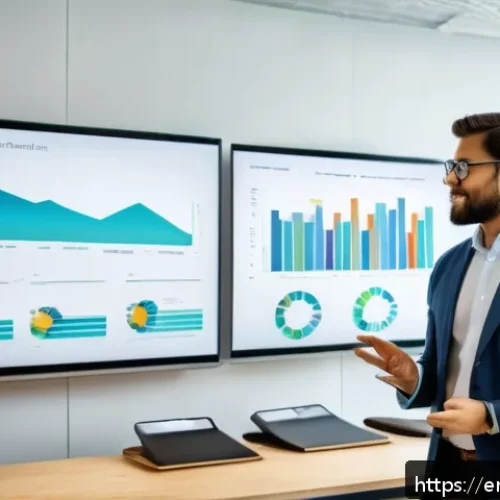
지속가능성 컨설팅 인사이트를 얻는 방법 - **Prompt:** A diverse group of professional sustainability consultants, dressed in smart business at...

Honestly, if you’re not deeply immersed in the ever-shifting sands of global and local sustainability policies, you’re already a step behind. I’ve learned this the hard way, thinking I knew enough, only for a new EU directive or a state-level incentive program to completely change the game for my clients. It’s not just about knowing what’s out there; it’s about anticipating what’s coming next and understanding the ripple effects. For instance, the recent shifts in SEC climate disclosure rules in the US or the ongoing evolution of the Corporate Sustainability Reporting Directive (CSRD) in Europe are massive. They’re not just compliance hurdles; they’re strategic opportunities for businesses that are prepared. My personal approach? I subscribe to a ridiculous number of newsletters, attend webinars, and, most importantly, talk to policy experts and legal minds who specialize in this stuff. It’s about building a robust radar system, one that flags potential impacts on supply chains, investment strategies, and even brand reputation before they hit the mainstream news. This foresight allows you to present truly proactive, rather than reactive, strategies to your clients, making you an indispensable partner. When you can tell a client, “Hey, this new regulation is likely to take effect in 18 months, and here’s exactly what we need to start doing *now* to turn it into an advantage,” that’s when you truly shine. It’s exhilarating to see a company pivot effectively because you gave them that crucial heads-up.

The Ever-Evolving Regulatory Landscape

Staying updated here feels like a full-time job in itself, right? But it’s absolutely critical. What was considered best practice two years ago might now be table stakes, or worse, outdated. Think about the progression from voluntary disclosures to mandatory reporting requirements like those emerging from the International Sustainability Standards Board (ISSB) or the Greenhouse Gas Protocol revisions. These aren’t just minor tweaks; they’re fundamental shifts that demand a deep understanding of their implications across various sectors. I’ve seen clients almost caught off guard by the sheer volume and complexity of these changes, particularly those operating across multiple jurisdictions. It’s not enough to simply read the headlines; you need to dig into the nuances, understand the timelines, and critically assess how these mandates will impact everything from operational costs to investor relations. My experience tells me that consultants who can translate these complex legal and regulatory texts into clear, actionable business strategies are the ones who truly add value and build lasting client relationships. It’s a challenging but incredibly rewarding aspect of the job.

From Global Pacts to Local Ordinances: What Matters Now

The beauty and beast of sustainability consulting is its hyper-local and hyper-global nature. While global agreements like the Paris Agreement set the overarching tone, it’s the regional and local policies that often dictate immediate action and innovation. For example, a city’s zoning laws might encourage green building certifications, or a state might offer significant tax credits for renewable energy installations. These localized incentives and restrictions can profoundly influence a company’s sustainability journey and potential for growth. I once worked with a client who overlooked a specific local ordinance regarding waste management, and it ended up costing them a significant fine and a PR headache. Conversely, another client leveraged a local grant program for energy efficiency upgrades, saving them a considerable amount and enhancing their community standing. My advice is always to broaden your scope. Don’t just look at national policy; dive into the municipal and state-level directives. Connect with local Chambers of Commerce, community leaders, and environmental groups. They often have an invaluable pulse on what’s developing on the ground, offering insights that can directly impact your client’s operational decisions and help them build stronger community ties.

Tech as Your Co-Pilot: Embracing Climate Innovation

Let’s be real, you can’t talk about cutting-edge insights in sustainability without talking about technology. The sheer pace of innovation in climate tech is mind-boggling, and keeping up is a continuous journey. I’m not just talking about solar panels anymore; we’re seeing incredible advancements in carbon capture, precision agriculture, sustainable materials science, and even AI-powered solutions for optimizing resource use. For me, understanding these technologies isn’t about becoming an engineer; it’s about grasping their potential applications and limitations within a business context. When a client comes to me with a goal of drastically reducing their emissions, I’m not just thinking about energy efficiency audits; I’m considering emerging technologies like direct air capture or advanced biofuel solutions, and how they might integrate into their existing infrastructure. It’s about being able to connect the dots between a client’s specific challenge and a nascent technology that could offer a breakthrough solution. This proactive approach not only sets you apart but also positions your clients as leaders in their respective industries, driving both environmental benefits and competitive advantage. I remember feeling a little overwhelmed by it all at first, but once you start seeing the patterns and the practical applications, it becomes incredibly exciting.

Beyond Buzzwords: Understanding Real-World Applications

Oh, how many times have I heard a client mention “blockchain for supply chain transparency” without truly understanding what that entails? My role often becomes that of a translator, demystifying these complex technologies and demonstrating their tangible benefits and practical implementation. It’s about asking the tough questions: “How exactly will this improve your data accuracy?” or “What’s the actual ROI timeframe for this investment?” For example, when discussing circular economy principles, I don’t just talk about them in theory. I bring up real-world examples of companies using AI to optimize waste sorting, or employing advanced material science to design products for disassembly and reuse. I make sure my clients understand the difference between hype and genuine innovation that can drive real change. My experience tells me that clients appreciate it when you can articulate how a specific climate tech solution, whether it’s IoT sensors for energy management or predictive analytics for resource optimization, directly addresses their pain points and aligns with their business objectives. It’s about moving beyond the impressive jargon to focus on the impactful outcomes.

Integrating Data for Smarter Decisions

Data, data, data! It’s the lifeblood of effective sustainability consulting. You simply can’t generate meaningful insights without robust data collection and analysis. This means moving beyond qualitative assessments to quantitative metrics that demonstrate real progress and impact. I’ve spent countless hours helping clients set up systems for tracking everything from Scope 1, 2, and 3 emissions to water usage, waste diversion rates, and even employee engagement in sustainability initiatives. But collecting data is just the first step. The real magic happens when you analyze that data to identify patterns, pinpoint inefficiencies, and forecast future trends. For example, by analyzing energy consumption data across different facilities, you might uncover specific operational inefficiencies that can be addressed with targeted interventions. Or, by tracking supply chain emissions, you might identify a high-impact supplier that needs a more sustainable sourcing strategy. This data-driven approach allows you to present compelling, evidence-based recommendations that resonate with CFOs and CEOs alike. It takes the guesswork out of sustainability and replaces it with actionable intelligence, making your recommendations far more credible and impactful.

Advertisement

The Art of Deep Listening: Unlocking Client’s True Needs

This might sound basic, but honestly, it’s where many consultants miss the mark. Generating truly impactful insights isn’t just about showing up with a pre-packaged solution; it’s about genuinely understanding your client’s unique challenges, culture, and aspirations. I’ve found that the best insights often emerge not from my initial research, but from the conversations, the probing questions, and the “aha!” moments that come from truly listening to what a client *isn’t* saying. Sometimes, a company might come to you asking for a carbon footprint assessment, but after a few deep dives, you realize their biggest pain point is actually investor pressure around ESG risks, or perhaps a breakdown in their internal communications about existing sustainability efforts. My experience has taught me that these underlying issues are often the real levers for significant change. It’s about peeling back the layers, getting to the heart of their motivations, fears, and internal dynamics. This level of empathetic engagement allows you to tailor your insights so precisely that they feel like they were born from within the client’s own organization, fostering buy-in and accelerating implementation. It truly feels like being a detective, finding the hidden clues that lead to the most impactful solutions.

Peeling Back the Layers: Discovering Hidden Challenges

When I first meet a client, I don’t just take their initial brief at face value. I dig. I ask questions about their company culture, their long-term vision, their internal roadblocks, and even their previous attempts at sustainability initiatives. Often, what they *think* they need isn’t what they *actually* need. For instance, a manufacturing company might express concerns about their energy consumption, but after a few deep-dive interviews with various departments, you might uncover that their biggest environmental impact and cost driver is actually water usage in their production processes, or perhaps inefficient waste streams. It’s about connecting seemingly disparate pieces of information, interviewing key stakeholders across different levels of the organization, and observing their operations firsthand. This investigative approach unearths the hidden challenges that generic solutions would never address. It makes the insights you provide incredibly valuable because they tackle the root causes, not just the symptoms, of their sustainability issues. This process can be challenging, but the trust and breakthroughs that come from it are incredibly rewarding.

Crafting Tailored Solutions, Not Off-the-Shelf Answers

There’s nothing worse than a consultant who shows up with a one-size-fits-all solution. Every business is unique, with its own operational complexities, market position, and corporate values. Generating truly game-changing insights means taking all of this into account and crafting solutions that are meticulously tailored. This isn’t just about tweaking a template; it’s about designing a strategy from the ground up that fits like a glove. I’ve personally seen how a customized approach can yield dramatically better results than a generic one. For example, a global tech company’s sustainability strategy will look vastly different from a local retail chain’s, even if both are aiming for carbon neutrality. The insights for the tech company might focus on supply chain transparency for rare earth minerals and energy efficiency in data centers, while for the retailer, it might involve local sourcing, circular packaging, and community engagement. My goal is always to present options that are not only effective but also realistic and achievable within their specific operational context and budget. This deep customization ensures higher adoption rates and, ultimately, more impactful and sustainable change.

Building Your Eco-Alliance: The Power of Networks

Honestly, you can’t be an island in sustainability consulting. The field is too vast, too complex, and evolving too quickly for any one person to know everything. That’s why building a robust network of fellow consultants, industry experts, academics, and even policymakers has been absolutely critical to my success. These relationships aren’t just for referrals; they’re an invaluable source of fresh perspectives, specialized knowledge, and emerging trends. I’ve learned so much from informal chats over coffee or through online forums with peers who are tackling similar challenges in different sectors. Sometimes, a complex client problem requires expertise outside my immediate wheelhouse, and knowing who to call for specialized advice on, say, renewable energy finance or biodiversity impact assessments, is a game-changer. It means I can confidently bring in trusted partners, ensuring my clients always get the absolute best, most comprehensive insights. It’s a symbiotic relationship; I share my insights, and I gain theirs. This collaborative spirit not only strengthens your own expertise but also elevates the entire industry, pushing us all towards more innovative and impactful solutions. It truly feels like being part of a larger movement.

Connecting with Innovators and Thought Leaders

If you want cutting-edge insights, you need to be talking to the people who are creating them. I make it a point to actively seek out and connect with innovators in climate tech, researchers at leading universities, and thought leaders who are shaping the discourse around sustainability. This might involve attending specialized conferences, participating in industry roundtables, or simply reaching out for informational interviews. These conversations are goldmines. They provide early visibility into disruptive technologies, emerging research findings, and conceptual frameworks that haven’t yet hit the mainstream. For example, I recently had a fascinating discussion with a material scientist about bio-based plastics, and it completely reshaped my recommendations for a client working on packaging solutions. These connections don’t just expand your knowledge; they also provide a powerful validation of your own insights. When you can back up your recommendations with input from leading experts, it adds an undeniable layer of authority and credibility. It’s like having a team of brilliant minds constantly feeding your own intellectual curiosity and bolstering your client offerings.

Collaborative Wisdom: Learning from the Collective

지속가능성 컨설팅 인사이트를 얻는 방법 - **Prompt:** A female sustainability consultant, mid-30s, with short, stylish hair and wearing a cris...

The beauty of the sustainability community is its inherent collaborative nature. Unlike some other industries, there’s a strong sense of shared purpose and a willingness to exchange knowledge. I’ve found immense value in participating in professional associations, online communities, and even informal peer groups. These platforms offer a safe space to discuss challenging client scenarios, brainstorm innovative solutions, and learn from the collective experience of others. For example, a few months ago, I was grappling with how to best measure the social impact of a client’s community program, and a discussion in one of my peer groups provided several brilliant frameworks and case studies that I hadn’t considered. It’s about leveraging collective wisdom to overcome individual challenges. This collaborative learning not only accelerates your personal growth but also ensures that the insights you bring to your clients are well-rounded, thoroughly vetted, and reflective of a broader industry consensus. It’s a powerful antidote to feeling isolated in a complex field, and frankly, it makes the job a lot more enjoyable and less stressful.

Advertisement

Quantifying the Green Impact: Metrics That Speak Volumes

You know what really makes sustainability insights land with executives? Hard numbers. It’s not enough to say “be more sustainable”; you need to show the measurable impact on the environment *and* the bottom line. This means moving beyond feel-good narratives to robust, data-driven metrics that demonstrate tangible progress. I’ve personally guided clients through the often-daunting process of defining key performance indicators (KPIs) for their sustainability initiatives, establishing baselines, and setting ambitious yet achievable targets. This isn’t just about ticking boxes for reporting; it’s about using these metrics as strategic tools to identify areas for improvement, track ROI on green investments, and communicate success to stakeholders. When you can confidently present a dashboard showing a 15% reduction in carbon emissions, a 20% increase in waste diversion, and a projected $500,000 in annual energy savings, that’s when sustainability becomes an undeniable business imperative. My experience shows that demonstrating this quantifiable impact builds immense trust and strengthens the business case for further sustainability investments, making your role as a consultant even more critical and impactful.

Beyond Carbon Footprints: Holistic Impact Measurement

While carbon footprints are undeniably important, true sustainability goes far beyond CO2. Generating comprehensive insights means adopting a holistic approach to impact measurement. This includes evaluating water usage, waste generation, biodiversity impacts, social equity metrics (like fair labor practices and community engagement), and even the circularity of products and materials. I often work with clients to develop a “materiality assessment,” which helps them identify the most significant environmental and social impacts relevant to their business and stakeholders. This process ensures that we’re measuring what truly matters, rather than just what’s easy to measure. For example, for a fashion brand, measuring water usage in their supply chain might be even more critical than their direct operational emissions. For a food company, reducing food waste and supporting local farmers might be paramount. By expanding the scope of measurement, you uncover a richer tapestry of insights that allows clients to develop more integrated and impactful sustainability strategies. It’s about looking at the entire ecosystem of their operations and influence.

Translating Sustainability into Shareholder Value

Let’s be honest, in the corporate world, everything eventually comes back to value. Your sustainability insights, no matter how brilliant, need to be translated into a language that resonates with investors, boards, and finance departments. This means clearly articulating how sustainable practices drive shareholder value, reduce risk, and enhance long-term profitability. I’ve spent countless hours crafting compelling arguments that link sustainability initiatives to tangible financial benefits: reduced operational costs through energy efficiency, enhanced brand reputation leading to increased sales, improved talent attraction and retention, better access to capital from ESG-focused investors, and reduced regulatory risks. For example, a robust climate risk assessment can directly inform financial planning and resilience strategies. Or, investing in sustainable packaging might initially seem expensive but can lead to significant cost savings in the long run and appeal to a growing segment of eco-conscious consumers. My personal belief is that true sustainability consulting isn’t just about “doing good”; it’s about demonstrating how “doing good” is inherently “good for business.” This financial translation is often the key to unlocking significant organizational change.

Future-Proofing Your Insights: Developing a Foresight Mindset

If there’s one thing I’ve learned in this dynamic field, it’s that relying on past successes or even current best practices isn’t enough. To provide truly invaluable insights, you need a foresight mindset. This means actively anticipating future trends, disruptive technologies, and socio-economic shifts that will impact sustainability for years to come. It’s about not just reacting to change, but actively shaping your clients’ strategies to thrive in a future-forward world. I immerse myself in futures studies, scenario planning exercises, and emerging technology reports, always asking, “What’s next?” For example, the increasing prevalence of severe weather events isn’t just a climate change issue; it’s a profound business continuity and supply chain risk that demands proactive adaptation strategies. Or, the rise of conscious consumerism isn’t just a marketing trend; it’s a fundamental shift in market demand that requires businesses to embed sustainability at their core. Developing this forward-looking perspective allows you to provide insights that don’t just solve today’s problems but position your clients for resilience and success in tomorrow’s landscape. It’s a bit like being a strategic chess player, always thinking several moves ahead.

Anticipating Tomorrow’s Trends Today

How do you get ahead of the curve? It’s a combination of continuous learning, active trend spotting, and critical thinking. I make it a habit to regularly scan reports from organizations like the World Economic Forum, McKinsey, or Gartner that specifically focus on future trends in technology, economics, and sustainability. I also pay close attention to venture capital investments in climate tech, as these often signal where innovation is truly headed. It’s about identifying weak signals, understanding underlying drivers, and connecting seemingly unrelated developments. For example, the convergence of AI, IoT, and renewable energy storage could lead to entirely new paradigms for smart cities and decentralized energy grids. My personal experience has shown me that clients are increasingly looking for this kind of strategic foresight. They want to understand not just how to comply today, but how to innovate and lead tomorrow. When you can present scenarios and strategic options based on anticipated future trends, you transform from a consultant into a trusted advisor who helps them navigate an uncertain but opportunity-rich future.

Scenario Planning for Resilience

One of the most powerful tools in my foresight arsenal is scenario planning. In a world characterized by increasing volatility and uncertainty, simply predicting the future is impossible. Instead, scenario planning involves developing several plausible future scenarios – from optimistic to challenging – and then stress-testing a client’s current strategies against each one. This isn’t about choosing the “most likely” future; it’s about preparing for a range of possibilities and building resilience into their operations and strategies. For example, we might develop scenarios around drastically different carbon pricing schemes, rapid technological disruption, or significant shifts in consumer values. By exploring these “what ifs,” clients can identify vulnerabilities, uncover hidden opportunities, and develop more adaptive and robust sustainability plans. I’ve personally seen how this process can shift a client’s perspective from short-term problem-solving to long-term strategic thinking, equipping them with the agility needed to thrive no matter what the future holds. It feels incredibly empowering to help businesses build that kind of foresight and robustness.

Insight Category Key Focus Areas Why It Matters for Clients
Regulatory Acumen Global & Local Policy Shifts, Compliance, Incentives Minimizes risk, unlocks new funding, ensures market access
Technological Integration Climate Tech, AI, Data Analytics, Circular Economy Tools Drives efficiency, enables innovation, reduces operational costs
Stakeholder Engagement Deep Listening, Materiality Assessment, Community Needs Builds trust, enhances reputation, ensures strategy alignment
Performance Measurement KPIs, Impact Reporting, ROI Analysis, ESG Metrics Demonstrates value, attracts investors, enables continuous improvement
Future Foresight Trend Spotting, Scenario Planning, Risk & Opportunity Mapping Ensures long-term resilience, competitive advantage, proactive strategy
Advertisement

Wrapping Things Up

And there you have it! Navigating the world of sustainability insights is an exhilarating journey, isn’t it? It’s a continuous dance between understanding complex global policies, embracing dazzling tech innovations, and most importantly, genuinely listening to the unique stories and challenges of each client. What I’ve truly learned is that our role as consultants isn’t just about providing answers; it’s about asking the right questions, fostering collaboration, and helping businesses not just survive, but truly thrive in a world that’s constantly pushing for more conscious, impactful choices. Keep your eyes open, your ears tuned, and your heart engaged – that’s where the real breakthroughs happen.

Handy Tips You’ll Want to Bookmark

1. Stay relentlessly curious about global and local policy shifts. Subscribing to niche newsletters and connecting with policy experts can give you an invaluable edge. Think of it as your early warning system for upcoming opportunities and risks.

2. Don’t just follow climate tech trends; understand their practical applications. Ask yourself how emerging innovations like AI-driven efficiency or new material sciences can directly solve a client’s specific pain points and drive tangible value.

3. Master the art of deep listening. Often, a client’s stated problem isn’t their deepest challenge. By asking probing questions and truly hearing what’s unsaid, you’ll unlock more impactful, tailored solutions.

4. Always, always quantify the impact. Sustainability initiatives gain serious traction when you can translate environmental and social benefits into clear financial returns and reduced risks for the business.

5. Cultivate a robust network. The sustainability community is incredibly collaborative. Building alliances with peers, academics, and innovators will broaden your perspective and provide invaluable support for complex projects.

Advertisement

Key Takeaways

Ultimately, becoming an indispensable advisor in sustainability hinges on a blend of continuous learning, empathy, and strategic foresight. It’s about adeptly navigating the ever-changing regulatory landscape, fearlessly integrating cutting-edge technologies, and employing deep listening to truly understand client needs. Crucially, we must always translate these insights into quantifiable impacts and cultivate a forward-thinking mindset to future-proof strategies. This holistic approach ensures not only compliance but also competitive advantage and genuine, lasting positive change.

Frequently Asked Questions (FAQ) 📖

Q: What exactly do you mean by “crucial insights” in sustainability consulting, and why are they so vital for businesses today?

A: Ah, that’s the million-dollar question, isn’t it? When I talk about “crucial insights” in sustainability consulting, I’m not just talking about reciting the latest ESG report or outlining basic compliance requirements.
No, sir! I’m talking about those “aha!” moments, the kind of deeply analytical, forward-looking perspectives that truly transform a company’s approach.
It’s about seeing beyond the immediate data points and connecting the dots in ways others haven’t. Think about it: a truly crucial insight might be foreseeing a specific regulatory shift three years down the line that will impact a client’s supply chain, or identifying an emerging circular economy technology that could unlock massive cost savings and new revenue streams they hadn’t even considered.
It’s about predictive analysis, innovative problem-solving, and a holistic understanding of how environmental, social, and governance factors aren’t just risks, but incredible opportunities for growth and resilience.
For businesses, these insights are absolutely vital because they move sustainability from a cost center or a compliance burden to a strategic differentiator.
In today’s volatile market, having a consultant who can provide this level of foresight can literally make or break a company’s reputation, market share, and long-term viability.
I’ve personally seen how a well-timed, game-changing insight can completely reframe a company’s entire business model, turning what looked like an insurmountable challenge into a competitive advantage.
It’s truly empowering to witness!

Q: Developing these deep insights sounds incredibly challenging!

A: s a consultant, how do you personally approach cultivating this kind of foresight and understanding in such a rapidly evolving landscape? A2: You’re absolutely right, it is challenging, but that’s also what makes it so incredibly rewarding!
My journey has taught me that cultivating genuine foresight isn’t about stumbling upon a magic formula; it’s a deliberate, multi-faceted approach. First off, I’m a relentless learner.
I don’t just skim the headlines; I dive deep into research papers, emerging climate tech patents, and even seemingly niche academic journals. I’ve found that some of the most profound insights come from cross-pollinating ideas from different fields.
Secondly, I make it a point to build and nurture a diverse network. I’m talking about connecting with folks from academia, tech startups, policymakers, even grassroots activists – everyone offers a unique lens.
The discussions I have with these diverse minds often spark new connections and challenge my own assumptions, leading to those truly fresh perspectives.
And here’s a big one: I get my hands dirty. Where possible, I push for pilot projects or real-world experimentation with clients, even on a small scale.
There’s nothing quite like direct experience to solidify understanding and uncover unexpected challenges or opportunities. Finally, I leverage technology as much as possible, using advanced analytics to spot patterns in vast datasets and AI tools to track legislative movements globally.
It’s about combining that raw, human curiosity and intuition with powerful tools to stay several steps ahead. It’s a continuous hustle, but when you hit that perfect blend, it’s exhilarating!

Q: Given how quickly the sustainability landscape is changing, what are your top tips for consultants to keep their insights sharp and genuinely stay ahead of the curve, rather than just reacting to new developments?

A: Oh, this is a question I get asked all the time, and for good reason! The pace of change can feel dizzying, but staying ahead is entirely doable with the right mindset and strategies.
My number one tip is to embrace continuous horizon scanning as a core part of your routine. This isn’t just about reading the news; it’s about actively looking for weak signals – those subtle indicators of future trends that haven’t hit mainstream yet.
I spend dedicated time each week analyzing global policy proposals, tracking investment patterns in climate tech, and even monitoring shifts in consumer sentiment in seemingly unrelated markets.
What I’ve found is that many “new developments” aren’t actually sudden; they’re the culmination of these subtle shifts. Secondly, don’t underestimate the power of specialized communities and conferences.
I make it a priority to attend industry-leading events and participate actively in expert forums. The candid conversations, the informal discussions during coffee breaks – that’s often where you pick up the most cutting-edge intelligence and validate your own emerging hypotheses.
And finally, cultivate a genuinely curious and challenging mindset. Always ask “Why?” and “What if?” Don’t be afraid to question established norms or challenge conventional wisdom.
The most valuable insights often come from thinking contrarian to the current paradigm. It’s about proactively seeking out the future, rather than waiting for it to arrive at your doorstep.
By combining proactive research, active networking, and a healthy dose of intellectual curiosity, you won’t just react to change – you’ll anticipate it, shape it, and guide your clients right through it.